Biology
-
What is CRISPR, the technique that will change genetic manipulation?
The term CRISPR stands for clustered regularly interspaced short palindromic repeats. , which translates in Spanish as “clustered and regularly .” What is CRISPR? These…
Read More » -
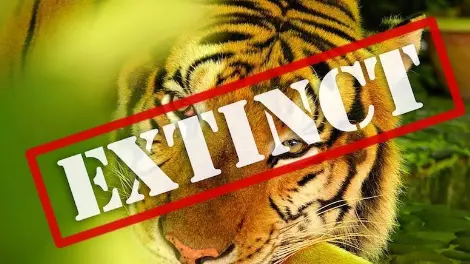
Extinct animals in 2021 and those in danger for 2017
In this article we will talk about the extinct animals in 2016 and the animals in danger of extinction in 2017. Human…
Read More » -
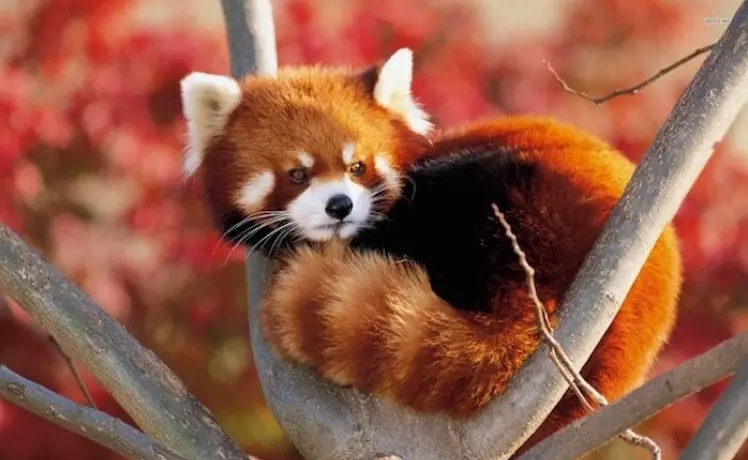
The red panda, the great unknown
The red pandas are small mammals with long, hairy tails, which have characteristics red and white marks on her silky hair. Although they…
Read More » -
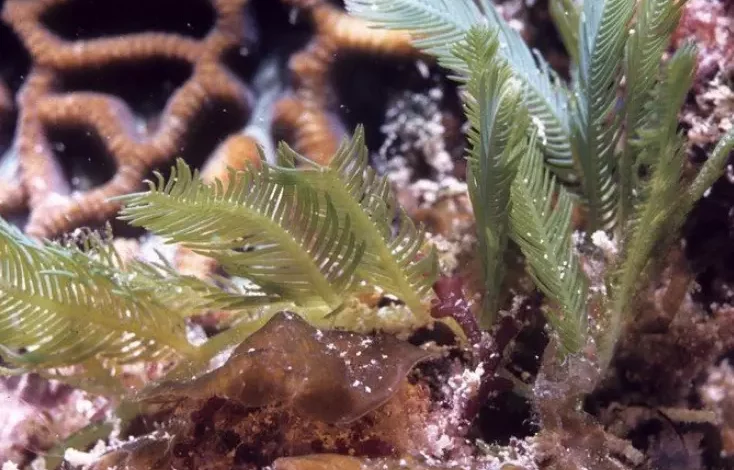
Invasive species (11): Caulerpa taxifolia, the Mediterranean killer algae
When a species receives the nickname “killer” it is usually for a good reason. This is the case of Caulerpa taxifolia , commonly…
Read More » -
World Oceans Day 2017
Today is World Oceans Day and the motto under which the UN develops this day is: Our oceans, our future…
Read More » -
The tasty (and troublesome) American crab biology The tasty (and troublesome) American crab
The American crayfish , Procambarus clarkii , is a decapod crustacean that inhabits freshwater courses and is native to the coast of the Gulf of…
Read More » -
phytohormone
The phytohormone, also called plant hormones , are chemicals used by plants to generate physiological responses to long distances. In this sense,…
Read More » -
What is a dominant gene and a recessive gene?
The transmission of characters between parental organisms and their offspring is a complex and fascinating subject. The first person to carry…
Read More » -
Invasive species (X): Azolla, the amazing water fern
Azolla is a rare-looking genus of ferns . These plants, unlike common ferns, are tiny and grow in floating colonies on bodies of water. The…
Read More » -

Invasive species (12): Crocosmia, a traveling plant
To talk about Crocosmia , it is necessary to make a previous introduction. In the Cape Province, in South Africa , there are numerous plant…
Read More »